

Scientists have sequenced the genome of an extinct group of humans which spread around the world 100,000 years ago, using a small fragment of a human finger bone found in a cave in Siberia.
The new, high-resolution genome scan will allow scientists to study how present-day humans evolved from our ancestors.
It was sequenced from DNA extracted from a tiny sample - 10mg - of fossilised finger bone.
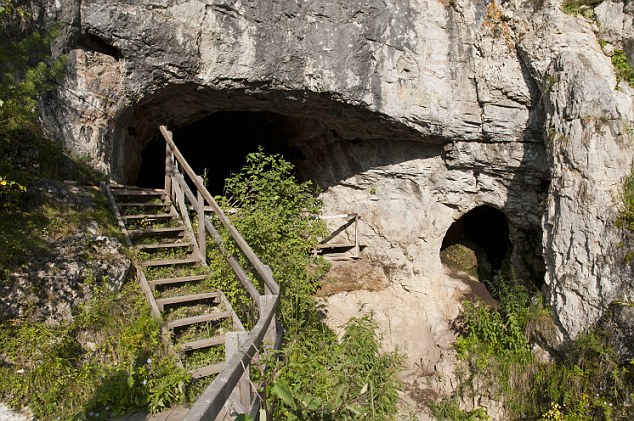
The entrance to Denisova cave in Siberia: The scientists sequenced the genome from 10mg of fossilised bone
Along with the Neanderthals, the Denisovans are the closest extinct relatives of modern humans.
‘We hope that biologists will be able to use this genome to discover genetic changes that were important for the development of modern human culture and technology.These changes enabled modern humans to leave Africa and rapidly spread around the world, starting around 100,000 years ago’ says Dr. Svante Pääbo of the Max Planck Institute.
The genome represents the first high-coverage, complete genome sequence of one of our ancestors.


No comments:
Post a Comment